



A well-maintained roofing system in the Midwest needs more than just high-quality shingles; it also relies on the right balance of attic insulation and ventilation. Homeowners often overlook these critical components until faced with issues such as unexpected water leaks, sharp spikes in utility bills, or the unmistakable formation of ice dams along roof edges. Understanding how attic insulation, attic ventilation, and ice dams are interconnected is essential for protecting your home, improving energy efficiency, and avoiding costly winter roof repairs.
How Ice Dams Form and Why They’re a Problem
Ice dams arise when warm air from your living space escapes into the attic, warming the roof deck and causing snow to melt unevenly. As melted water travels down to the colder roof eaves, it refreezes, forming a blockage of ice. Continued thawing and freezing cycles allow more water to sit behind these dams, which can back up under shingles and leak into the home.
This process is particularly problematic in climates with prolonged freezing winters and significant snowfall. Common consequences include:
-
Damaged roofing materials and roof decking
-
Ceiling and wall leaks
-
Compromised attic insulation performance
-
Mold and moisture issues
Attic Insulation: The First Line of Defense Against Ice Dams
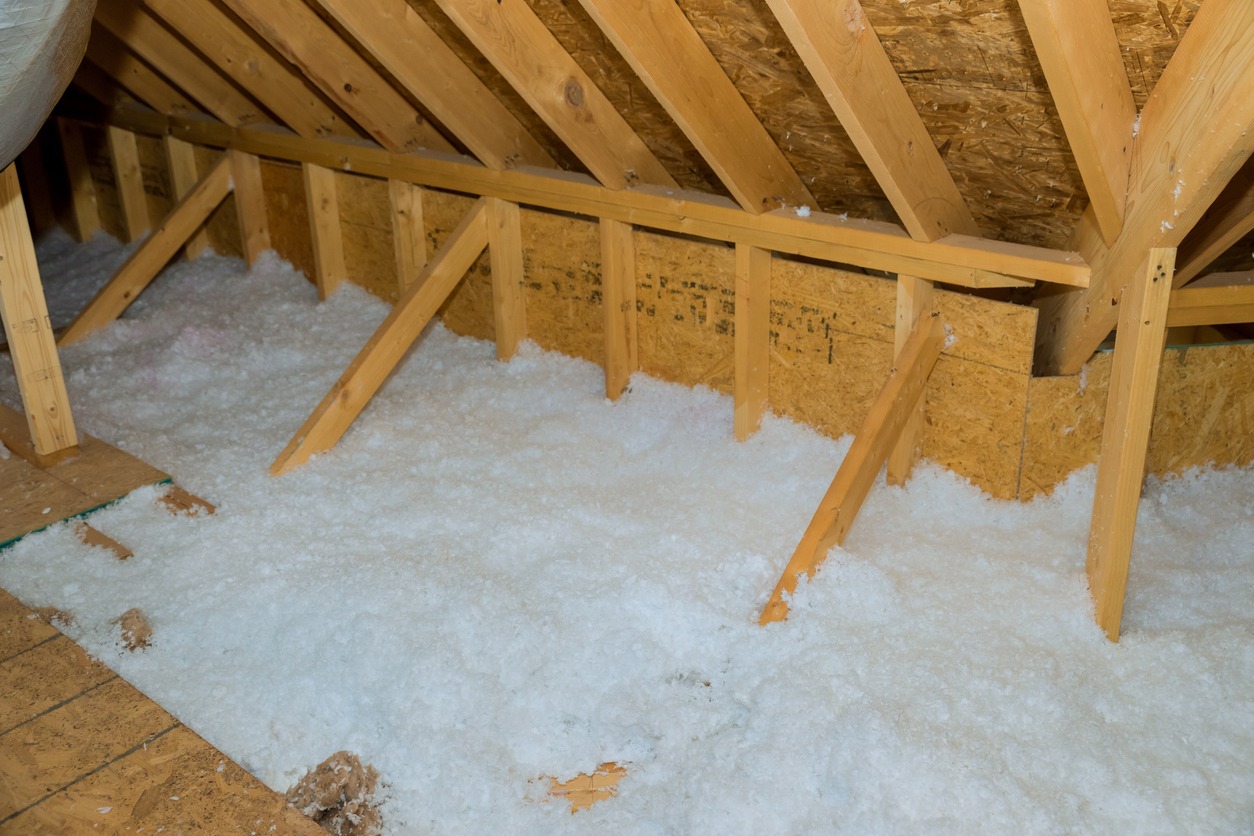
Proper attic insulation is crucial for keeping heat in living spaces and out of the attic. The right insulation will maintain the attic temperature close to the outdoor air, effectively reducing the risk of unwanted snow melt on the roof.
Popular forms of insulation include:
-
Blown-in fiberglass or cellulose: Good for filling gaps and irregular spaces for even coverage.
-
Spray foam: Offers a higher R-value per inch, acts as both an insulator and air barrier, and is ideal for sealing small cracks and bypasses.
-
Fiberglass batts: Budget-friendly and effective when installed properly, but more prone to leaving gaps.
Insufficient insulation or gaps around lights, chimneys, or attic hatches can act as heat highways into the attic, undermining even the best insulation. A typical recommendation for this region is to achieve at least R-49 to R-60 for optimal performance.
Air Sealing: An Overlooked Partner to Insulation
Before adding or upgrading insulation, it is essential to address air leaks known as attic bypasses. These are places where warm air escapes, such as exhaust fan penetrations, electrical boxes, pipe chases, or attic access points. Sealing these gaps with caulk, spray foam, or weather stripping ensures that insulation performs to its rated effectiveness and prevents heat from reaching the attic.
A professional energy audit can help detect hidden leaks using blower door tests and thermal imaging, leading to a more effective insulation upgrade.
Attic Ventilation: Why It’s Just as Important as Insulation
Even with perfect insulation and air sealing, your attic needs proper attic ventilation to remain dry and maintain a uniform temperature. Ventilation keeps the attic air close to outside temperatures, which is key for preventing the roof from heating up and melting snow during winter days.
Basic ventilation best practices include:
-
Balanced intake (usually soffit vents) and exhaust (ridge, roof, or gable vents)
-
A general guideline of 1 square foot of net free ventilation for every 150 square feet of attic floor
-
Making sure insulation does not block soffit vents using baffles maintains airflow
Proper ventilation not only helps prevent ice dams but also protects against moisture buildup, which can rot wood and degrade insulation.
When to Seek Professional Help with Insulation and Roofing
Adding insulation or fixing ventilation can seem straightforward, but many attics especially in older homes pose unique challenges. Issues like existing moisture damage, hard-to-reach spaces, vermiculite insulation, or the presence of HVAC equipment make professional evaluation beneficial. If you’re planning a roof replacement or considering substantial residential roofing improvements, integrating insulation and ventilation upgrades ensures a longer-lasting result.
Take Action Against Ice Dams: Schedule Your Attic Assessment Today
If you’re encountering ice dams, high heating bills, or uneven snow melt on your roof, it may be time to evaluate your attic’s insulation and ventilation. At Done Right Home Improvements, serving Omaha, NE, we offer comprehensive attic and roofing assessments to identify risks and recommend targeted solutions. Whether you need new attic insulation, improved ventilation, or a full roofing review, we have the tools and experience to keep your home protected and energy efficient through every season. Call us today at 402-714-3104 or fill out our online form to schedule your no-obligation attic assessment and take the first step toward a safer, warmer winter.